Anatomy of a Lion Kill

Kruger National Park Lion Kill - Lions hunt either alone or in prides. In collaborative hunts, it is usually the lioness who initiates the kill. Find out more about the anatomy of a lion kill in the Kruger National Park
Fish Species in Kruger Park

The seven rivers that cross the Kruger National Park support an extremely rich aquatic life. Find out more about fish species in Kruger Park where 49 fish species are found.
The Cheetah

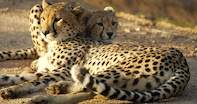
Beautiful, majestic, agile, and incredibly fast; a sighting of a Cheetah while on an African safari is an achievement seldom succeeded in and often longed for. Find out more about the Cheetah the fastest creature on land.
Antelopes in the Kruger Park

The Kruger National Park is home to many different species of animals, from Eland to small antelope such as Duiker and Steenbok. Explore and view images of Antelopes in Kruger Park.
Birdlife in Kruger

Birdlife in Kruger Park is many and varied. Explore the Kruger Park that is home to the majority of South African raptors, while vultures occur most in central grasslands.
Predators in Kruger Park

Many animals, especially predators like the small-spotted genet and even antelope, are active mainly at night. Learn more about the Predators in Kruger Park from cheetahs to Wild dogs and more.
Big Five in Kruger Park

The Kruger Nationale Park safeguards the world's largest population of rhino. Find out more about the rest of the Big Five roaming in the Kruger National Park.
Wildlife in Kruger Park

The fascinating and varied Kruger Park wildlife includes everything from Aardvark to Zebra. Learn more about Wildlife in the Kruger Park where you can experience wildlife at its best.
Leopards Wildlife Facts

Leopards are the least social - and perhaps the most beautiful - of the African big cats. Find out more about Leopard wildlife facts that usually keep to themselves and hunt late in the afternoon or at night.
Prehistoric Animals Facts

The open grasslands and mosaic woodlands of central Kruger are archetypal African savanna. Find out all you need to know about the Facts of Prehistoric Animals in Kruger National Park
Carnivore Cat Facts

Of all the carnivores in Kruger Park, none fires the imagination more than the Cats. Their eyes, for a start are definitely the eyes of a killer. Explore Kruger Park and learn all about the Carnivore Cats in Kruger Park.
Carnivore Dog Facts

It's interesting to note that where lions represent honest power and authority, the hyaena is a universal symbol of the supernatural. Learn more facts about Carnivore Dogs in Kruger Park.
Cheetah Wildlife Facts

Its legs are relatively long compared to its greyhound-like body; it has a big heart and lungs and wide nasal passages. Find more Cheetahs wildlife facts in the Kruger National Park.
Lion Wildlife Facts

Lions are the biggest, and most social, of the African cats, living communally in prides. Learn more facts about Lion wildlife facts and find out what lions eat in the Kruger National Park.
Snake Wildlife Facts

There are 54 species of snakes found in Kruger Park. Learn more about the Snake wildlife facts including the black mamba that is portrayed as the most dangerous snake in Africa.
African Wild Dog Facts

The African wild dog is an endangered species, with only four remaining populations in Africa, one of which is Kruger. Learn more about interesting African Wild dog facts and their hunting style.
Hyena Wildlife Facts

The hyaena is a shaggy, untidy, and opportunistic carnivore with a distinctive, sloping back. Find out more about the Hyena Wildlife Facts and how they are found throughout Kruger.
The Seasons of Kruger Park

Discover how the changing seasons in Kruger National Park govern the movements of the wildlife in the Park. Learn more about the seasons of Kruger National Park and when is the best time to visist.
Natural Beauty of the Kruger

Kruger National Park is the largest safari park in South Africa and is home to the Big Five. Explore the Wildlife and Natural Beauty of Kruger Park and be surprised at what animals you can see.
