
Game Viewing Routes in The Far North
About the Far North
From Punda Maria
Klopperfontein to Parfuri
Luvuvhu and Nyala Drives
Makuleke Wilderness
Pafuri Area
Pafuri Gate
Punda Maria Gate
The Mahonie Loop
See Kruger Park Far North Self-drive Map

- Sandveld between Punda and Pafuri
- Dense mopane woodland around Punda
- Tropical riverine forest along the Luvuvhu and Limpopo rivers
- Shrub mopane to the east of the Punda-Pafuri main road
- Mountainous sandveld west of Pafuri
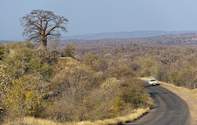
- Lots of baobabs
Antelope of the North

The riverine forest along the Luvuvhu River is the best place to see nyala in South Africa. They are tropical animals that look like a cross between a kudu and a bushbuck. They are the hairiest African antelope.
The Luvuvhu River valley is also suited to bushbuck, rarely seen in Kruger because they keep to the thicker bush and browse mostly at night. The bushbuck males are known to be pugnacious animals that will turn suddenly on an attacker.
According to former Kruger information officer PF Fourie, bushbuck have been known to kill leopards and even humans trying to hunt them. The northern sandveld is one of the best places to see eland in Kruger.
Small herds are found in the drier areas away from the river. The eland is the largest African antelope and is one of nature's gentlest animals. It is the most frequently depicted animal in southern African rock art.
