
Seabirds are more threatened than any other group of birds, according to the findings of a major review published in the scientific journal Bird Conservation International. Seabirds are more threatened than any other group of birds, according to the findings of a major review published in the scientific journal Bird Conservation International. The review is based on BirdLife International's data and assessment for the IUCN Red List.
The albatross family is especially imperiled with 17 of the 22 species currently threatened with extinction. Human activities lie behind these decreases. At sea, commercial fisheries have degraded fish stocks and caused the deaths of innumerable seabirds through accidental bycatch, whilst on land the introduction of invasive species has extirpated many breeding colonies.
Of the 11 albatross species that regularly occur in South Africa, 10 are threatened with extinction, including the critically endangered Tristan Albatross, which breeds only at the remote Gough Island in the South Atlantic. Of the 346 seabird species, 97 (28%) are globally threatened and a further 10% are close to being so. Nearly half of all seabird species are known or suspected to be experiencing population decreases.
Over this time they have tested and refined measures and technologies to prevent seabird deaths. As a result, national bycatch rates are greatly reduced. The tuna longliners, for example, have reduced seabird deaths by around 80% since 2006.
This success is linked to the increasing use of bird scaring lines used by the trawl sector. These lines cost a mere approximate of R2000 each to produce and play an enormous role in the prevention of seabird deaths. Since the implementation of the mandatory lines, fewer than 100 accidental deaths were experienced each year.
https://www.birdlife.org.za/conservation/seabird-conservation/albatross-task-force
Seabirds See the Threat of Extinction
The albatross family is especially imperiled with 17 of the 22 species currently threatened with extinction. Human activities lie behind these decreases. At sea, commercial fisheries have degraded fish stocks and caused the deaths of innumerable seabirds through accidental bycatch, whilst on land the introduction of invasive species has extirpated many breeding colonies.
Of the 11 albatross species that regularly occur in South Africa, 10 are threatened with extinction, including the critically endangered Tristan Albatross, which breeds only at the remote Gough Island in the South Atlantic. Of the 346 seabird species, 97 (28%) are globally threatened and a further 10% are close to being so. Nearly half of all seabird species are known or suspected to be experiencing population decreases.
Removing Possible Threats
Invasive species, especially introduced rodents, provide a major threat to and must be removed from major seabird colonies. Several successful restoration projects have already taken place. For example, South Africa successfully removed cats from Marion Island which, at 294km2, remains the largest island globally that has been successfully cleared of cats.Joint Efforts to Save the Species
South Africa continues to lead global efforts to reduce seabird bycatch in fisheries. Dr Ross Wanless, Seabird division manager at BirdLife South Africa, says "the hake trawl fishery and tuna and swordfish longliners have worked with BirdLife South Africa's Albatross Task Force for six years.Over this time they have tested and refined measures and technologies to prevent seabird deaths. As a result, national bycatch rates are greatly reduced. The tuna longliners, for example, have reduced seabird deaths by around 80% since 2006.
Conservation Success
Various conservation efforts are made through ongoing projects. Conservation efforts by BirdLife South Africa have proved to be greatly successful, lowering albatross deaths due to trawl fishery by 99%. The Albatross Task Force team, with the help of cooperative local fisheries, managed to reduce the mortality rate of seabirds between 2008 and 2014. From an alarming rate of 18 000 seabird deaths due to the fishing industry, conservation efforts reduced this rate by 90% for all seabirds and 99% for the albatross species in 2014.This success is linked to the increasing use of bird scaring lines used by the trawl sector. These lines cost a mere approximate of R2000 each to produce and play an enormous role in the prevention of seabird deaths. Since the implementation of the mandatory lines, fewer than 100 accidental deaths were experienced each year.
Reference
BirdLife South Africahttps://www.birdlife.org.za/conservation/seabird-conservation/albatross-task-force
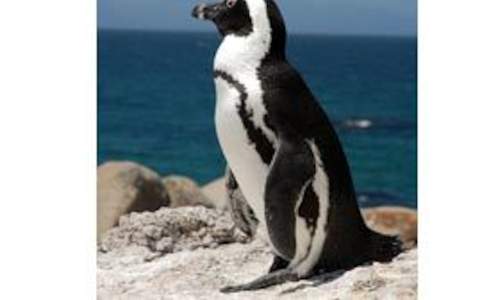 African penguins have been sliding towards extinction since industrial fishing started around the Cape. The last four years have seen a popu...