
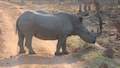
220 rhinos were brutally and illegally butchered for their horn in South Africa from January to May 21 2102. That is more than a rhino a day.
The Kruger National Park (KNP) remains the main killing field with 133 dead rhino, with Limpopo a close second (31) and KwaZulu Natal having lost 23 rhino so far this year.
To date - May 21 2102 - a total of 146 arrests have been made of which 36 were in Kruger, 44 in Mpumalanga, 16 in the North West, 10 in KZN, 14 in Gauteng and 19 in Limpopo.
The detailed figures are
- KNP: 133
- Marakele National Park: 3
- Gauteng Province: 0
- Limpopo: 31
- Mpumalanga: 6
- North West: 20
- Eastern Cape: 3
- Free State: 0
- KZN: 23
- Western Cape: 1
- Northern Cape: 0
- Total: 220.
In 2010 the total number of rhinos poached were 333, while 448 rhinos were illegally killed in 2011.
In her budget vote earlier this month, water and environmental affairs minister Edna Molewa said the government would continue to implement various initiatives, as well as place added measures to address the ongoing war on South Africa's rhinos.
The dire situation underscored the importance of SADC collaboration on the development of Transfrontier Conservation Areas. "The resolution is not managing through fences, but to continue the southern African initiative of cross-boundary conservation partnerships," she said.
What Can You Do?
You are urged to report incidents of rhino poaching or any tip-offs that could lead to prevention, arrest and prosecution of rhino poaching to 0800 205 005.Learn about the latest Rhino Poaching statistics in South Africa
