
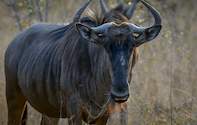

A few years ago, the Klaserie Private Nature Reserve, part of the Associated Private Nature Reserves adjoining Kruger National Park, had released 50 wildebeest to supplement their existing population of around 80 animals. According to reserve warden Colin Rowles, "The release is generally deemed to be an experiment".
Between 1999 and 2001, the wildebeest numbers in the 57,000ha reserve plummeted from 300 to 100, eventually stabilising at around 80 animals. Predation by lions is believed to be the main cause of the decline, with the lions choosing wildebeest as a preferred meal.
Now that the population has stabilised, the reserve hopes that by almost doubling the antelope's numbers, they will be able to breed fast enough to keep pace with the lions' appetites. The reserve's annual census revealed that even without the addition of the 50 extra animals, the wildebeest population had already naturally increased by about 15 animals.
References
Transfrontier Africahttps://www.transfrontierafrica.org/Reports/Balule_Olifant_West_Wardens_Report_201009.pdf
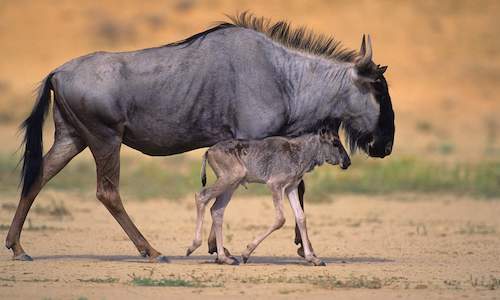 Blue Wildebeest are seasonal breeders. Births of single calves per cow occur during summer after a gestation period of nine months...